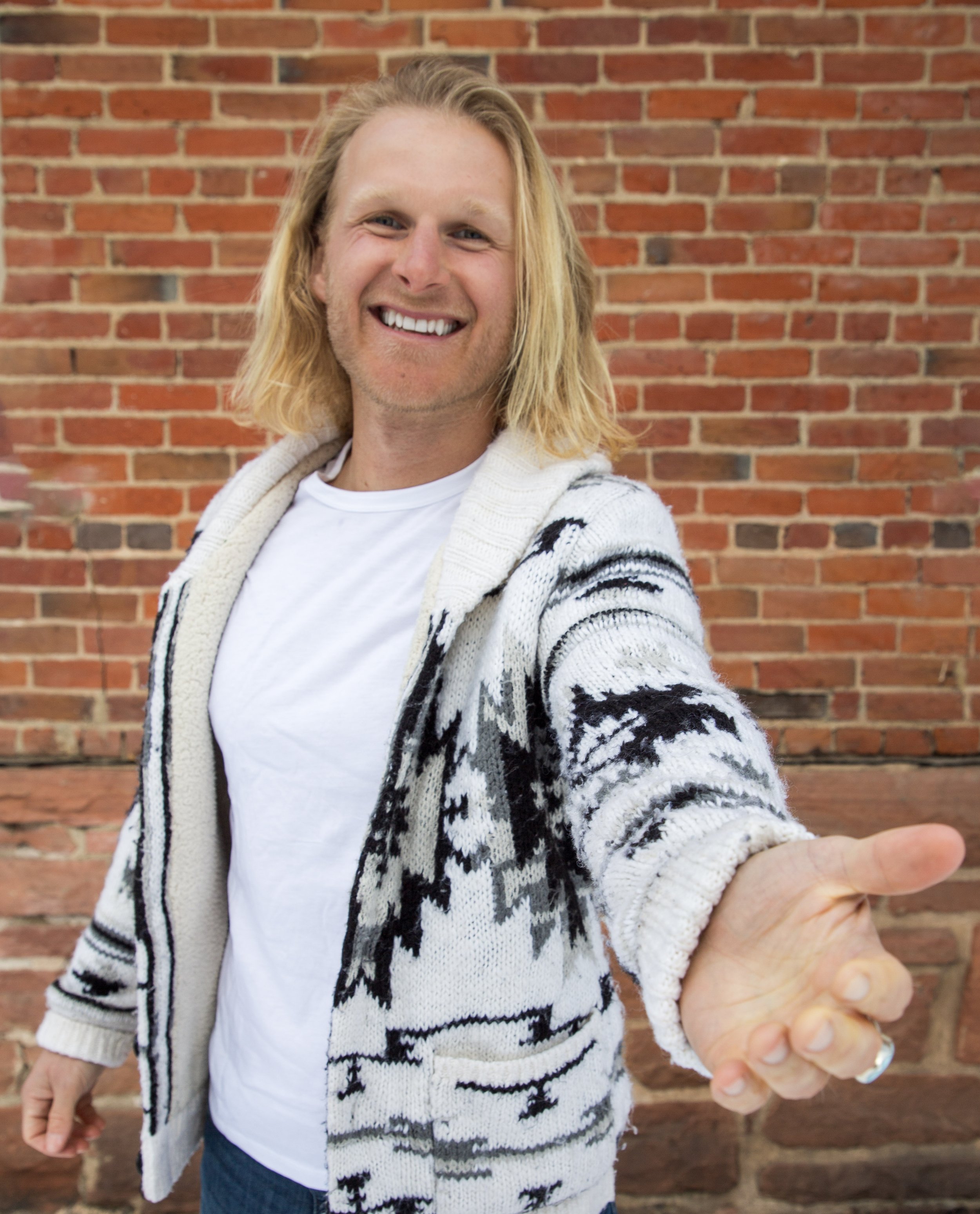
Recode your beliefs and realize your power
Finnian Kelly teaches you how your mind works, how to prioritize your feelings, and how to find the life you’re really searching for
Speaker | Facilitator | Author



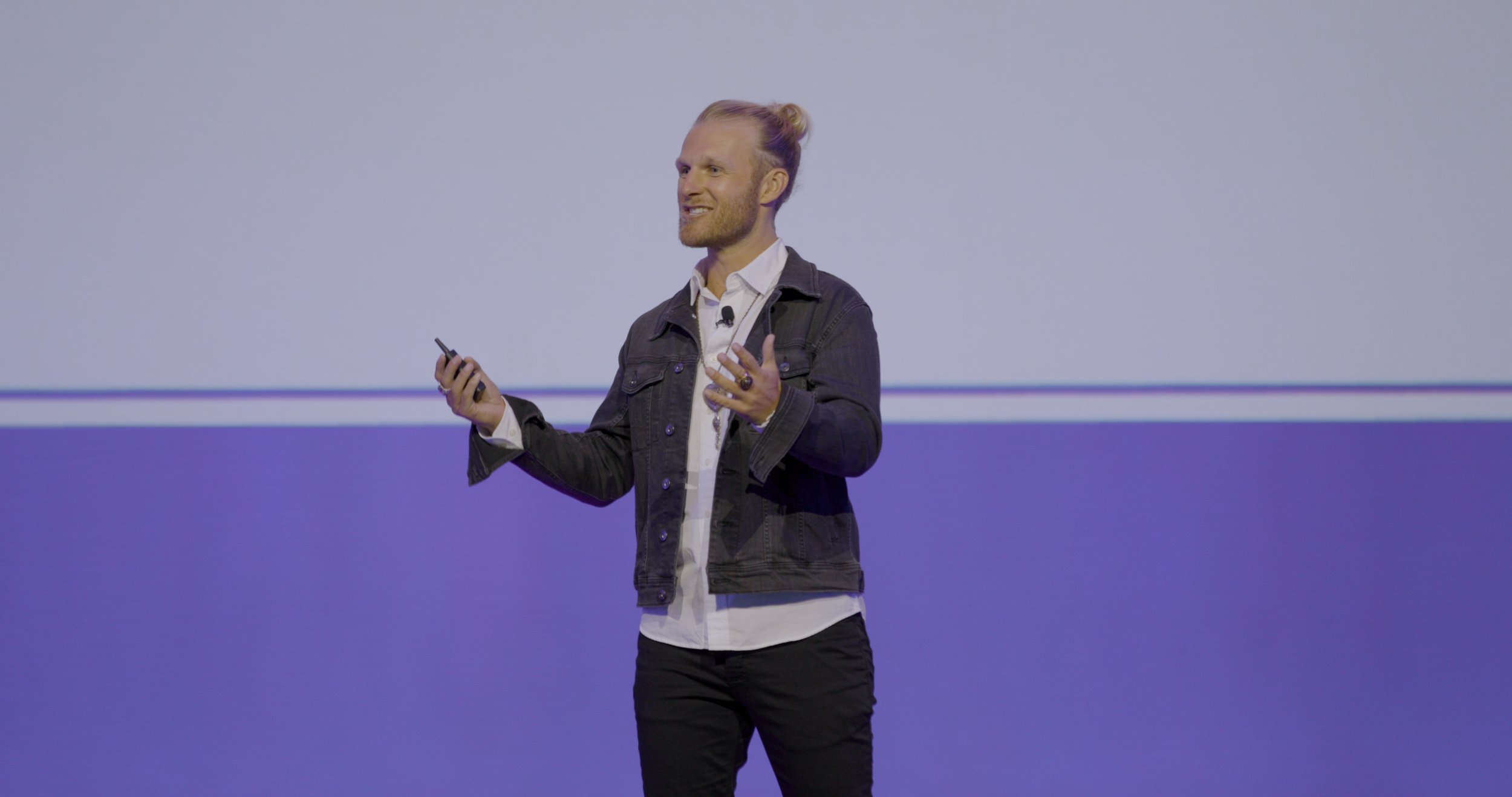
"Finnian doesn't just deliver a keynote, he creates an experience"

Tina Laquinta - Founder & CEO, Modern Concierge
"Finnian's session was enlightening and showcased his wide range of knowledge and expertise. Attending one of Finnian's events is a must. His unique approach will inspire you and equip you with tools for unlocking your full potential"

Finnian Kelly is the world’s leading expert on Intentionality
Intentionality is a feelings-first approach to living and leadership that is more than just a concept. It’s a profound shift in consciousness that will enable you to truly feel and experience more of what life has to offer
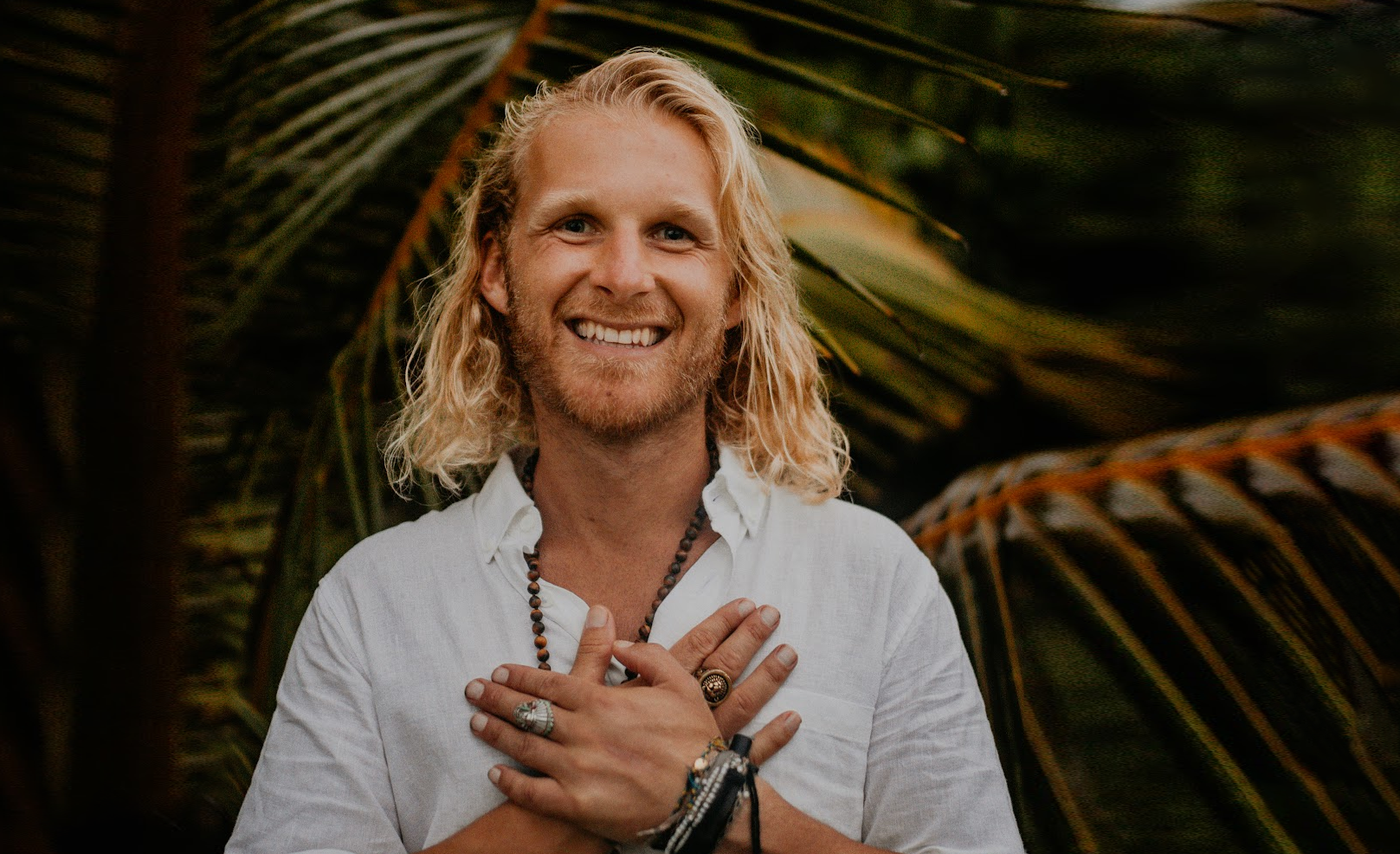
EO Nicaragua Event Testimonial

Finnian guides people to clarity on what they want
Many of us imagine that when we reach a far-off goal or achieve material success, we’ll find happiness or peace. When we get there, we realize we were wrong. Finnian helps people overcome external pressures and drivers and uncover what they’re really in search of; what will truly make them feel fulfilled

Finnian creates experiences that make people feel something
Finnian helps people understand the power and importance of their feelings. This helps them to foster a deeper personal connection, stop acting out of habit or fear, and put their energy in the right places to propel themselves toward the life they want

Finnian guides people to transformation and a life of Intentionality
Finnian works with people to develop actionable roadmaps for personal transformation. By combining lessons learned from ancient wisdom, modern science, and lived experiences, he helps them implement practical steps to align their thoughts, feelings, and behaviors and realize positive change

Finnian teaches people how to recode their minds
Often, we live our lives and make decisions based on subconscious drivers and biases we don’t fully understand. Finnian helps people recognise and bypass their subconscious mind, reframe their thinking, and learn to make more authentic, intentional decisions in line with their goals

The value Finnian delivers
-
When people feel lost, that something’s missing, or that something has to change – who do they turn to?
If they’re seeking life-changing growth, they can’t do the same things they’ve always done, and they can’t limit introspection to select parts of who they are.
Finnian brings people into the present, revealing the power and potential of feeling. He reaches into different parts of life, from career to relationships, childhood, and significant, life-shaping events. Then, he taps into the energy that moves through these aspects of life and uncovers the path to apply what people have seen, felt, or learned to make necessary changes.
-
People shouldn’t limit themselves to a single ideology or a narrow view of spirituality. They can use a universal outlook and toolkit to navigate the next phase of their journey.
The ancients knew things we don’t. They had tried and tested methods that we seem to have lost along the way. But now, we’re seeing more of their knowledge come to light, backed by science – proving something we all know deep down, but that we’ve lost contact with.
Finnian brings together centuries-old texts and different practices and modalities, combines them with modern-day studies, and makes them practical and useful for daily life
-
Advice is a product of the person who dispenses it. Their experiences and the challenges they’ve overcome play an important role in the advice that they provide.
So, why take advice from someone who doesn’t have skin in the game? Finnian Kelly knows what it’s like to feel lost, and that something’s missing – because he’s been there. He’s experienced success, only to learn that it wasn’t what he was looking for.
His journey helped him realize that what we’re all looking for is a feeling, and in his search for peace, he’s come to learn that the best way to find it, is to help others – to teach it and live it
-
The way we see the world was likely shaped when we were young, influenced by those around us and their subconscious programming. This means we could be living our lives based on subconscious drivers that we have no knowledge of, let alone control over.
Without knowing what these are or how to access them, it’s difficult to be able to manage them.
Finnian teaches about how our minds work and how to recode them, offering practical methods to overcome deeply ingrained social drivers.
When we stop acting out of fear or habit, we find a new sense of freedom and possibility. We learn to overcome our conditioning and move toward a more intentional life

Build the life you’re searching for
Discover the transformative power of Intentionality for manifesting a more purposeful life. Align your thoughts, feelings, and actions to realize your potential and experience the abundance life has to offer
Coming June 18, 2024
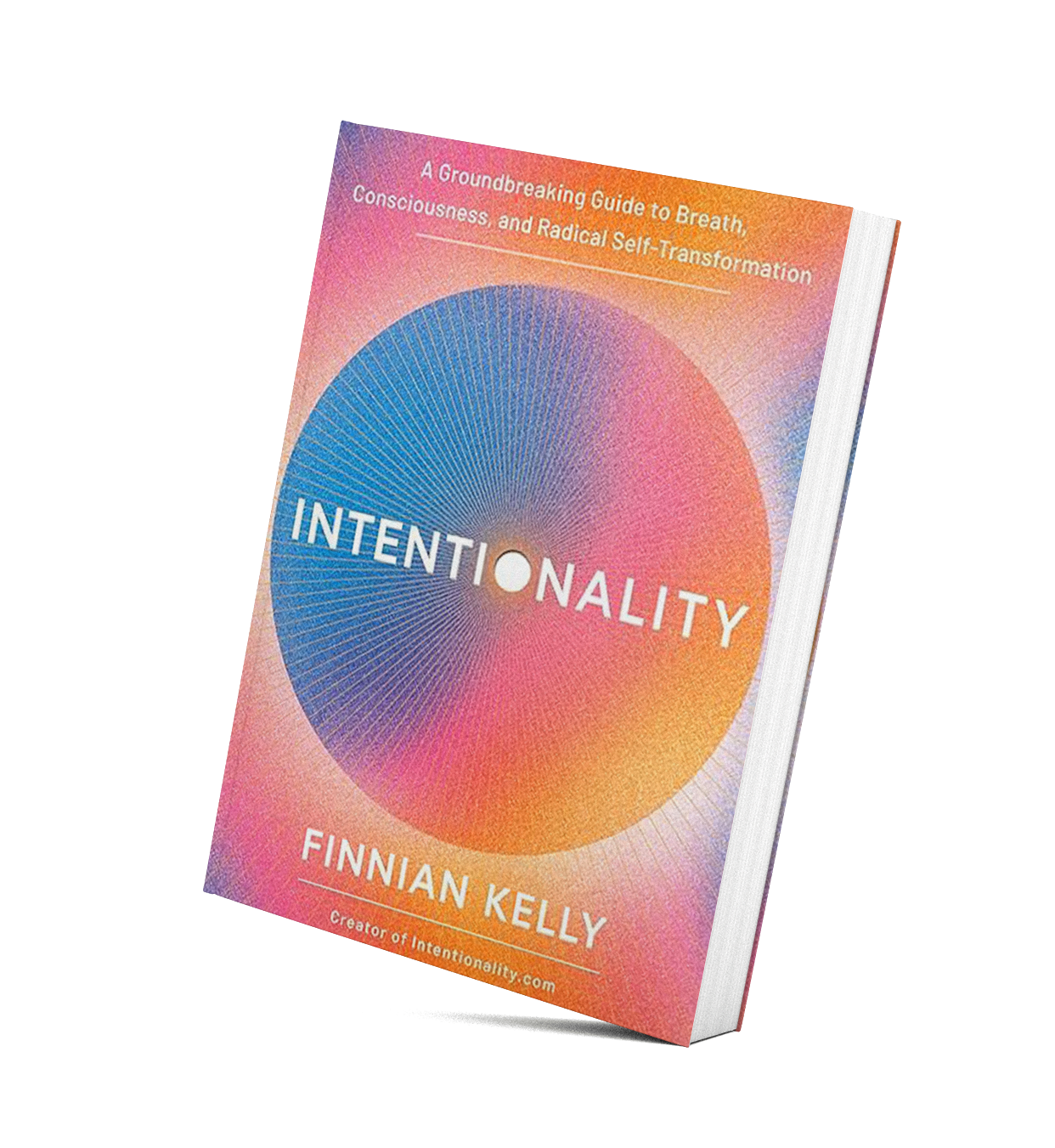
Available at major bookstores and retailers






-
![Amanda Mayan - EO Cleveland Chapter Member]()
"This was probably the single most impactful experience that I have ever had in my life"
Amanda Mayan - EO Cleveland, Chapter Member
-
![Bhavya Kalsi - Founder, Be Marketing Uganda]()
"This was a true awakening! If you’re looking for something engaging and unique, I highly recommend this transformational experience with Finnian"
Bhavya Kalsi - Founder, Be Marketing Uganda
-
![Jose Prendes - YPO Gold Miami Chapter Member]()
"Ever since participating in Finnian's session I have had more control over my mind and thoughts than ever I believed was possible. It was a life changing experience!"
Jose Prendes - YPO Gold Miami, Chapter Member
-
![Scott Seltzer - EO Detroit Chapter President]()
"The event was beyond words, it was transformational in ways that have positively impacted both my personal and professional life. Having Finnian speak at your event is a game-changer and I couldn’t recommend it more!"
Scott Seltzer - EO Detroit, Chapter President
-
![Eugene Thompson - President, EO]()
"Finnian is a masterful speaker who helped me to shatter the boundaries of what I perceived as possible in my life and career. I left the event inspired and reminded of the incredible power we hold within us to effect change through Intentionality"
Eugene Thompson - President, EO Richmond




There’s a better way to navigate life and business
Finnian Kelly reveals how